
Independent Bodybuilding Association
Independent Bodybuilding Association
WOMEN'S FIGURE
Figure competitions are divided into two segments:
Group Comparisons (scored)
Attire Requirements
Competitors must wear a two-piece competition suit featuring crossed straps on the back. Suits may be any color and may include crystal embellishments.
The following suit requirements apply:
- Thong and T-back styles are prohibited.
- Suit bottoms must provide adequate coverage of the glute area and should be securely fastened in place.
- Competitors must wear clear high-heeled shoes. There is no specific heel-height requirement, provided the footwear does not hinder walking or posing.
- Jewelry is permitted but should remain tasteful and not distract from the athlete's physique.
- A dark, evenly applied competition tan is strongly recommended to enhance muscular visibility under stage lighting.
- Competitor number badges must be displayed on the front left hip and centered on the back of the suit.
Eligibility
Competitors must be at least 16 years old on the day of the event.
Athletes under 18 years of age must provide parental consent and be accompanied by a parent or legal guardian.
Competitors may not enter multiple categories within the same event; however, they may participate in any eligible divisions within their chosen category.
Sportsmanship & Conduct
Athletes who display inappropriate behavior, pose in an overtly sexual manner, perform actions unsuitable for a family audience, or otherwise disrupt the event may be subject to disqualification.
Judging Criteria
Figure competitors are evaluated on three primary factors:
Muscular Development
Conditioning
Figure athletes are expected to demonstrate muscularity and leanness, though not to the same degree required in Women's Physique competition.
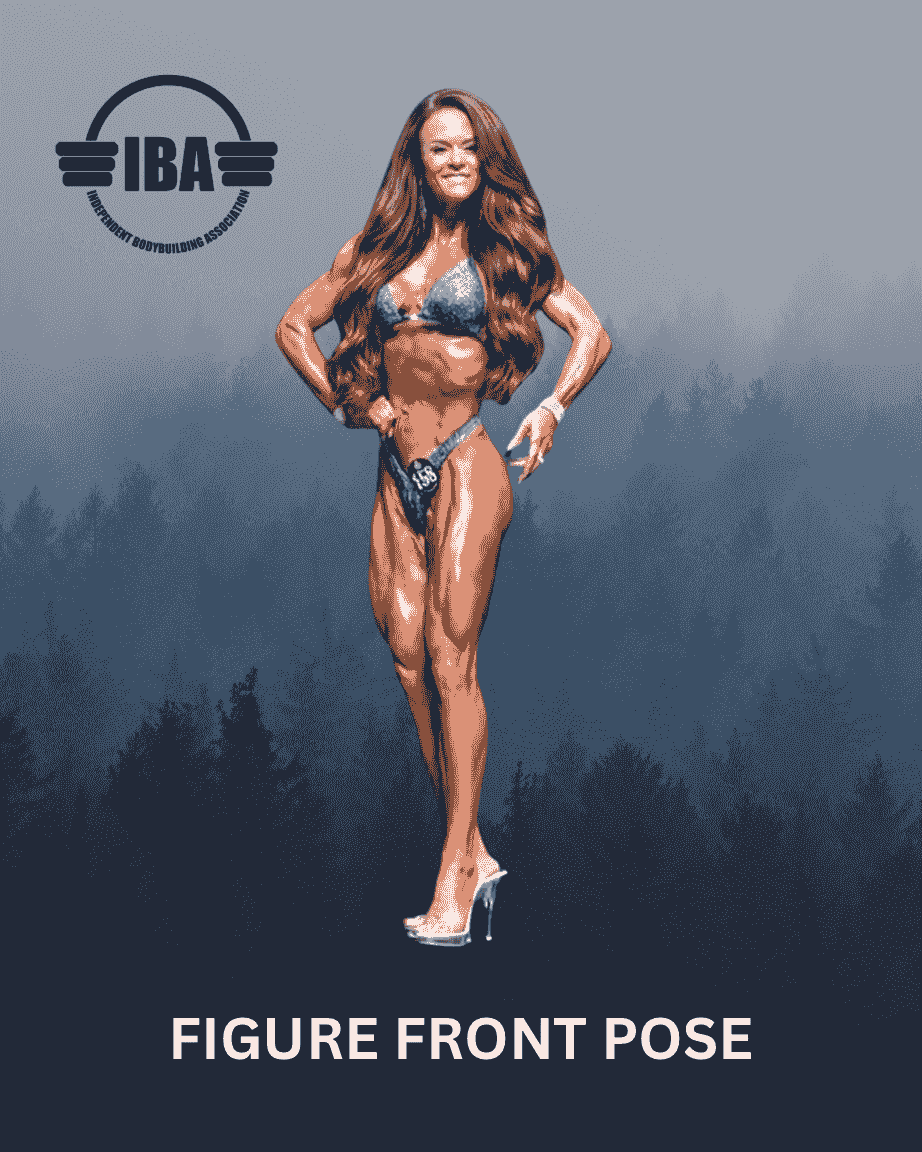
An exemplary Figure physique features broad, well-defined shoulders that complement a strong, muscular back. The waist should be narrow and tapered, creating an elegant silhouette. Full, shapely glutes and hips balance the upper body, while the quadriceps exhibit clear separation and muscularity. The hamstrings and calves should be proportionately developed, emphasizing overall harmony. Competitors must present a healthy, athletic look, avoiding excessive muscle striations, overly extreme conditioning, or a gaunt appearance that suggests depletion.
Symmetry
Judges seek a harmonious, balanced physique from head to toe, forming an "X-frame" through well-proportioned muscle groups. This includes broad shoulders, wide lats, a tiny waist, and full, rounded glutes. The quadriceps should sweep gracefully, with hamstrings and calves visibly developed, contributing to a cohesive look.
Size and proportion are essential; athletes should demonstrate muscular development that appears full and balanced across all muscle groups, avoiding disproportionate or overly bulky areas.
Definition
Competitors should be lean enough to display distinct muscular separation in the quadriceps, hamstrings, abdominals, and back, while maintaining an overall healthy appearance. Shoulder striations can be visible but should not give an overly grainy or depleted impression.
Group Comparisons
Participants step onto the stage collectively, adopting the front relaxed pose at designated markers. The Head Judge will guide athletes through quarter turns to evaluate their physiques from four perspectives: front, side, rear, and opposite side.
Maintaining consistent posing throughout is crucial for visibility. When instructed, athletes should promptly change positions. Stage placement during comparisons does not determine ranking. Long-haired competitors should move their hair aside during rear poses to ensure full visibility of the back.
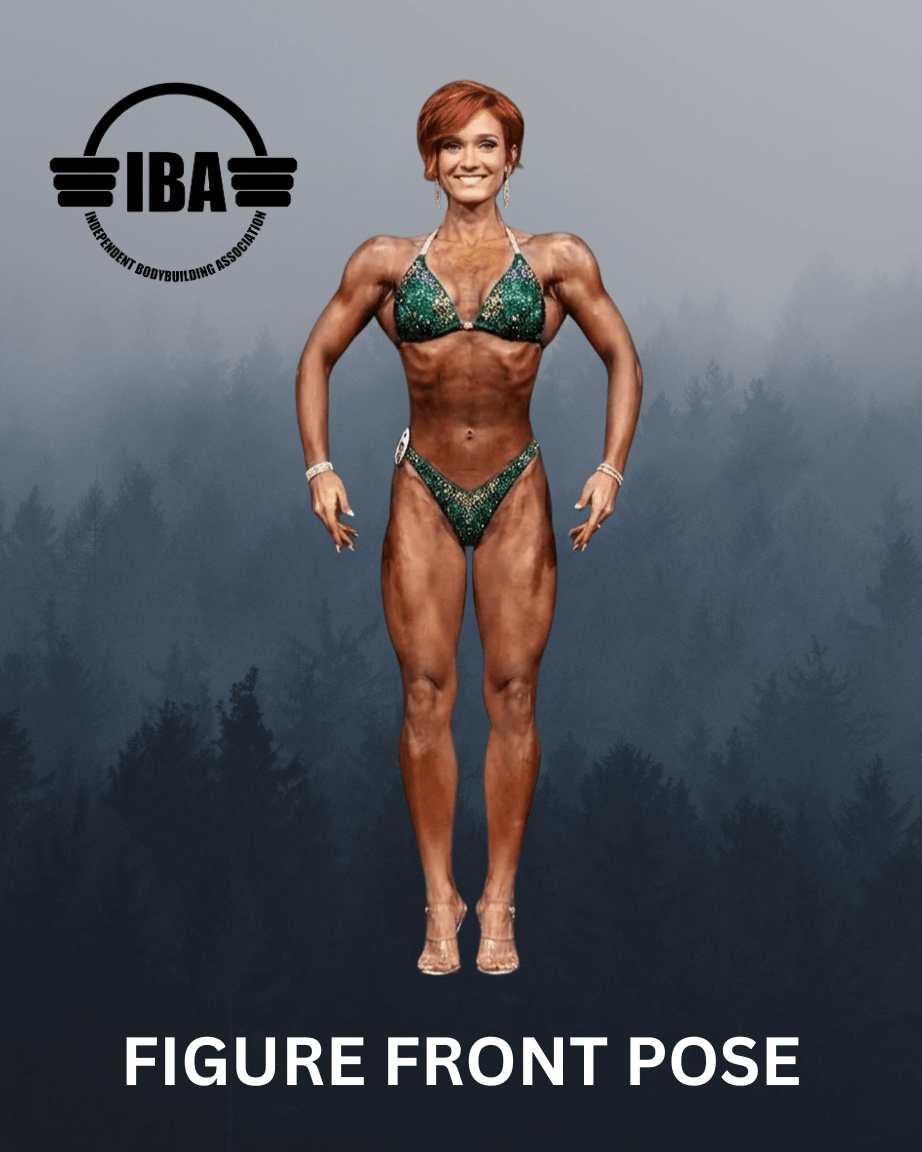
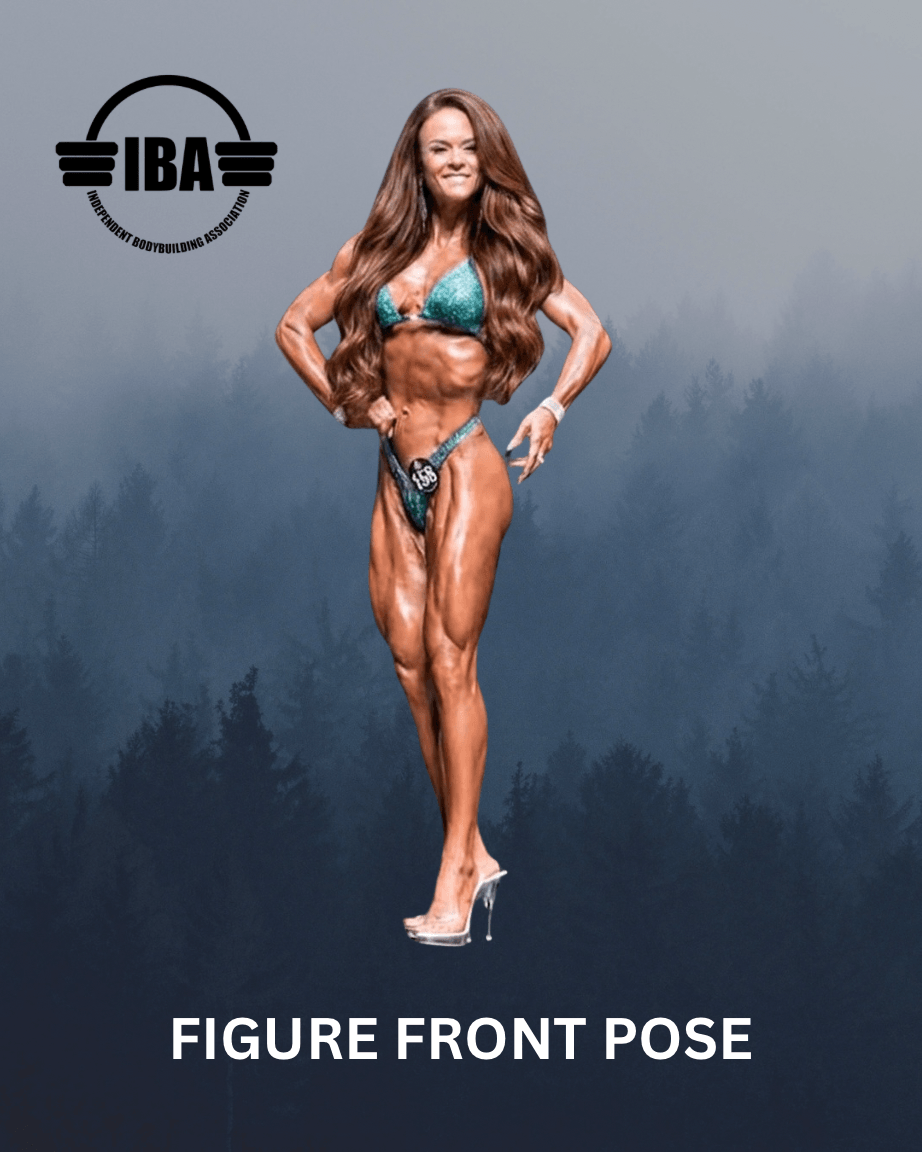
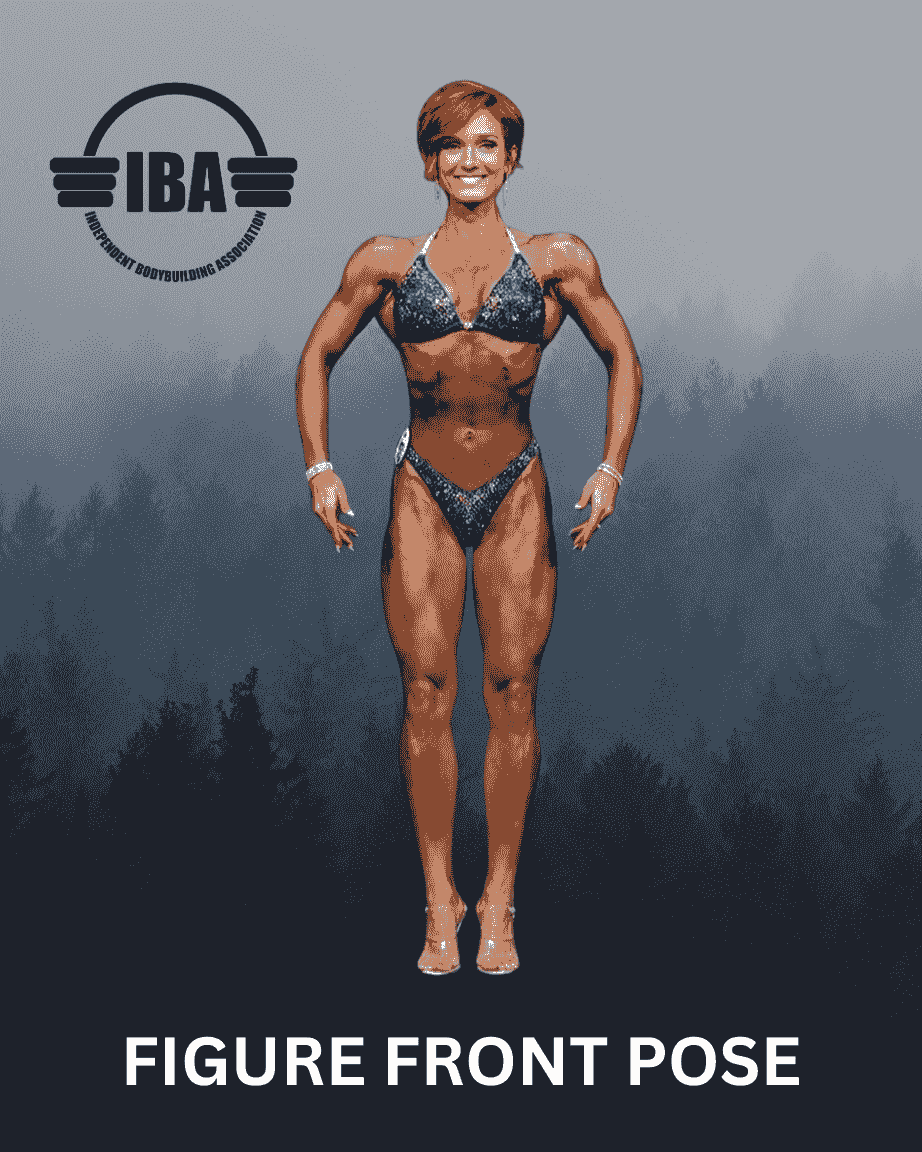
Front Pose
Hips and torso must face directly forward toward the judges.
Feet should be together and aligned, with toes facing forward or slightly outward.
Arms remain at the sides without touching the body.
Hands should appear relaxed.
Shoulders should appear broad and rounded, with lats flared to emphasize a V-taper.
Legs should be flexed to display quadriceps separation without excessive knee bending or squatting.
Side Poses (Right & Left)
Feet and hips should face the side of the stage.
Feet may be staggered slightly, with no more than half a foot-length offset.
The upper body should rotate approximately 35 degrees toward the judges.
The arm closest to the judges should remain down with the lat engaged and visible.
The opposite arm should be bent, with the hand resting on the waist or hip.
Hands should remain relaxed.
Long hair should be moved away from the upper body.
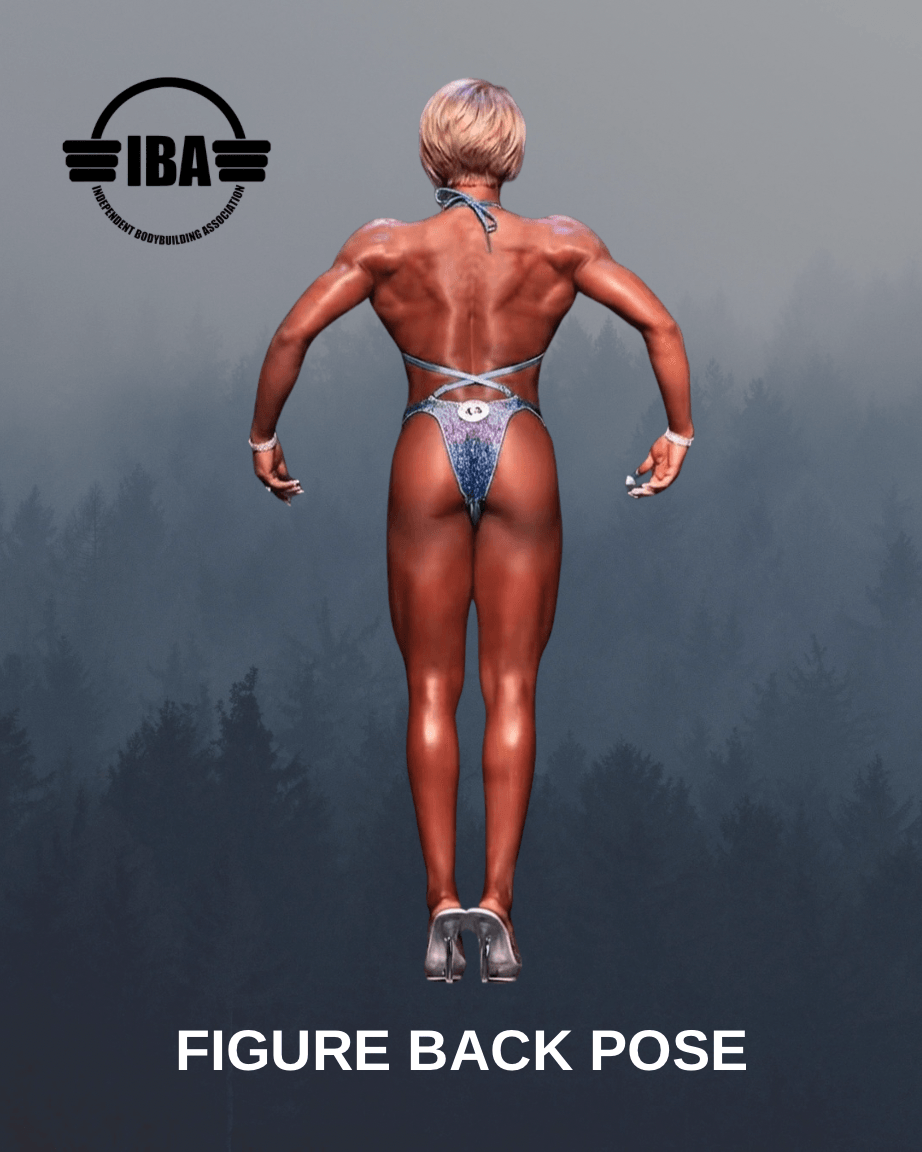
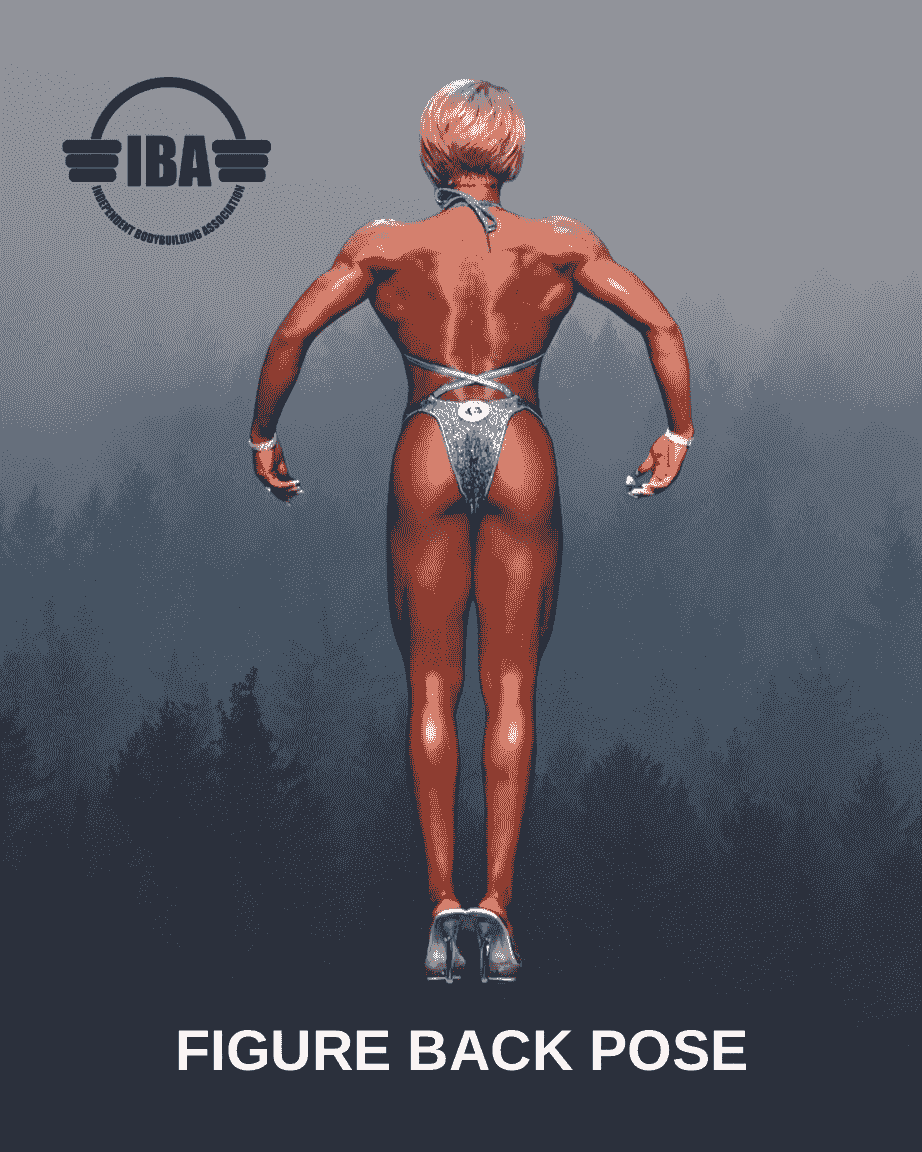
Rear Pose
Feet should remain together or nearly together.
Toes may point forward or slightly outward.
Hair must be moved aside to reveal the entire back.
Arms remain at the sides without touching the body.
Hands should appear relaxed and palms should not face the judges.
Competitors should display broad shoulders, flared lats, and a clear V-taper from shoulders to waist.
The torso should remain upright while showcasing the glutes and hamstrings.
Individual Presentations
The Individual Presentation, often referred to as the stage walk, is not included in the scoring process.
Depending on the event, athletes may perform a walk in either an "I" or "T" pattern. Some competitions provide house music, while others allow competitors to submit their own music selections.
Competitors should review event-specific registration information or contact the event organizer directly for details regarding stage walk format and music options.