
Independent Bodybuilding Association
Independent Bodybuilding Association
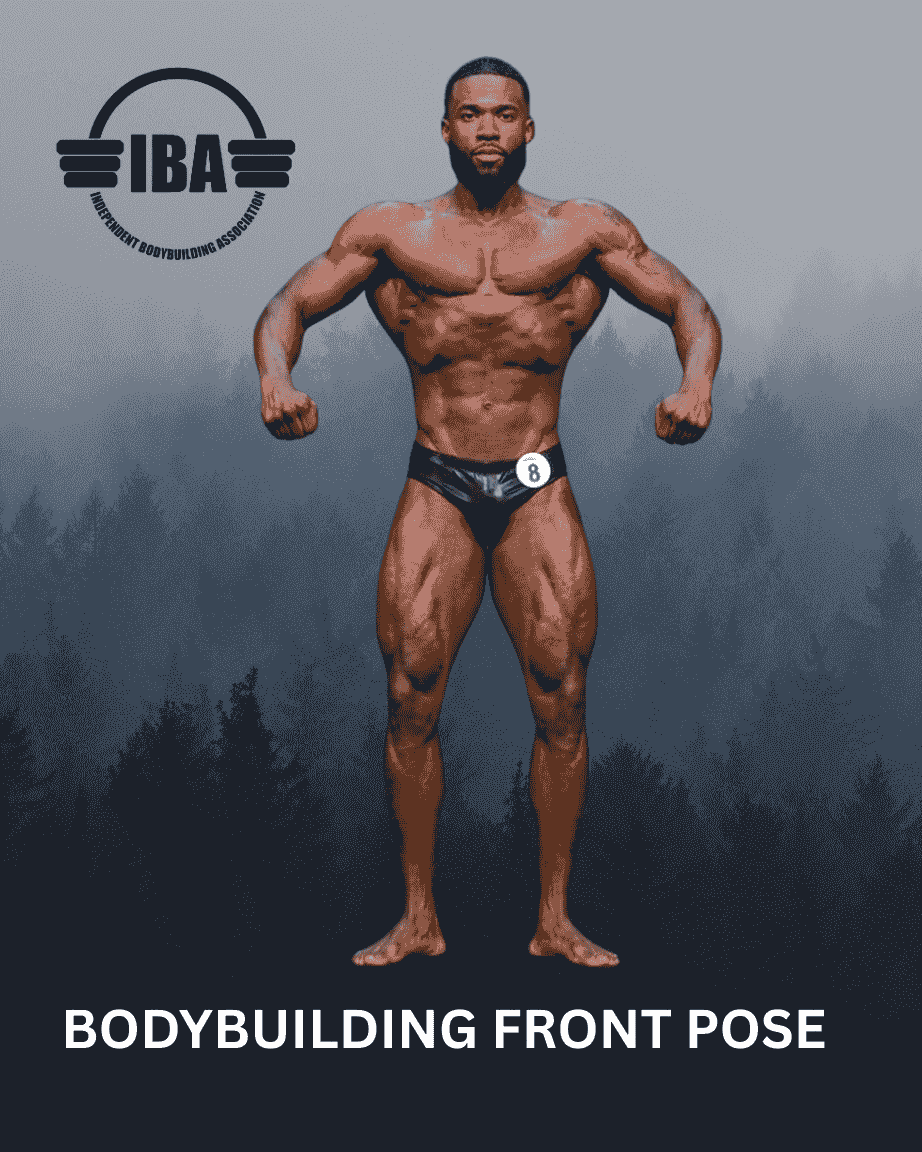
MEN'S BODYBUILDING
This division features two phases: Group Comparisons, scored, and Individual Presentations, unscored.
- Participants wear posing trunks of any color, with no thong or T-back styles permitted. Trunks should not be hiked to expose glutes.
- Remove all body hair (facial hair acceptable) and apply an even spray tan to best display muscularity.
- Number tags should be on the front left hip and the back of the suit.
- Competitors must be at least 16 years old; minors require parental permission and supervision.
- Entering multiple categories in a single event is not allowed; athletes can crossover into all eligible divisions.
- Stage conduct must be appropriate; overtly sexual or disruptive behavior will result in disqualification.
Height Classes
For divisions with a large number of entries, competitors may be separated into multiple height-based classes. Class assignments are typically determined after registration closes and are organized to create the most balanced distribution of athletes possible. The final structure and number of classes remain at the discretion of the event promoter.
Judging Criteria
Men's Bodybuilding is evaluated using three primary factors: symmetry, muscular development, and conditioning. This division represents the highest level of muscularity, density, and conditioning among the men's physique categories.
Symmetry
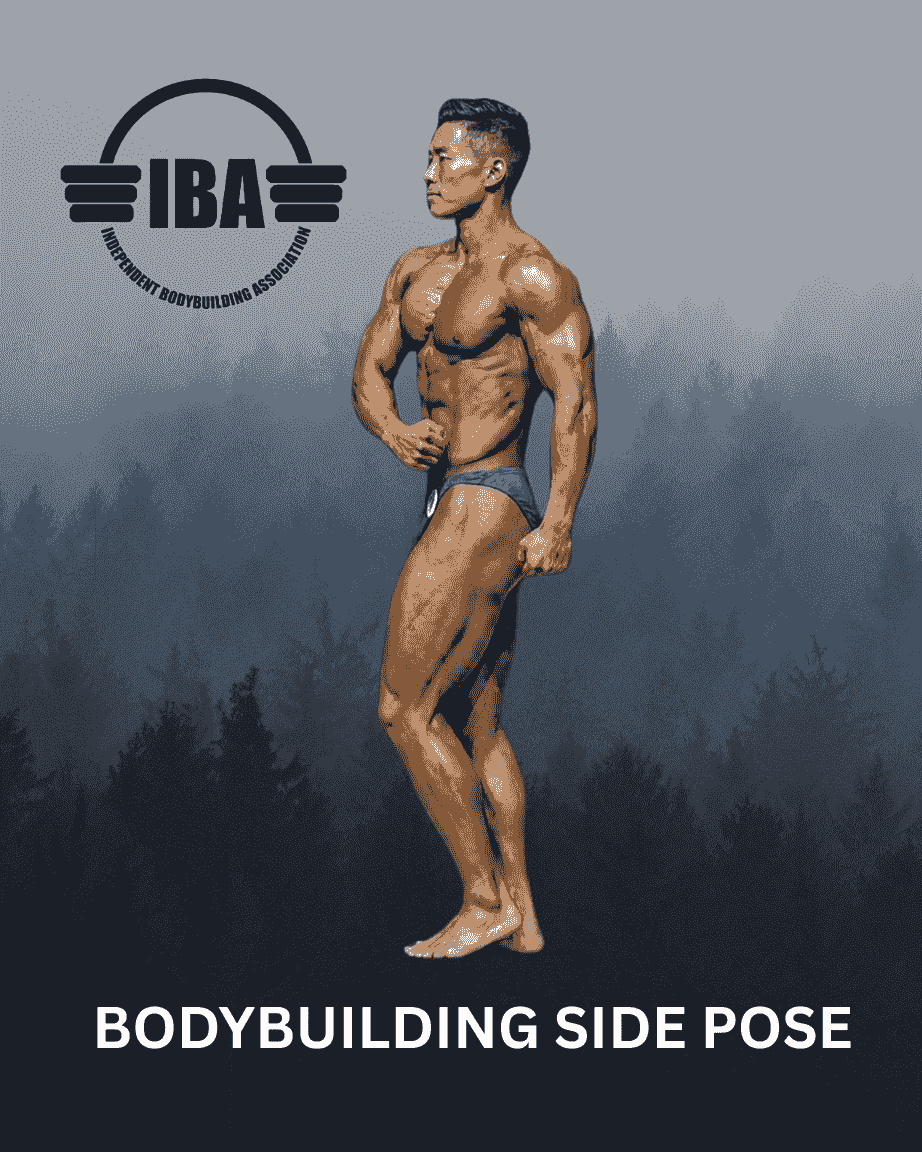
Competitors should demonstrate complete muscular balance and proportion throughout the body. Judges look for broad, rounded shoulders, well-developed arms, a wide and thick back, and a tapered waistline with clearly visible abdominal and oblique development.
Legs and glutes should exhibit substantial muscularity and match the overall development of the upper body. While some degree of waist thickness may be acceptable, it should not detract from the overall visual flow and balance of the physique.
Muscular Development
Athletes should display significant muscle mass and density across all major muscle groups. The ideal bodybuilding physique presents a fully developed appearance from head to toe, with no body part noticeably lagging behind.
Conditioning
Competitors are expected to achieve an exceptional level of leanness and muscle separation. Deep muscle cuts, visible striations, and a hard, detailed appearance throughout the physique are highly desirable.
The ideal presentation combines extreme conditioning with muscle fullness. Athletes should avoid appearing overly depleted, including excessively gaunt facial features, stringy musculature, or a flat appearance caused by excessive glycogen depletion.
Group Comparisons
Competitors will enter the stage as a class, take their assigned positions, and immediately assume the front-relaxed stance. Throughout the comparison rounds, athletes will be guided through a sequence of mandatory poses designed to evaluate both symmetry and muscularity.
Competitors should respond promptly to judging commands and move efficiently between poses. Excessive transitions or elaborate pose setups may result in the next pose being called before the athlete has completed their presentation.
To ensure accurate evaluation, competitors must consistently perform poses according to division standards. Improper execution may impact scoring.
Symmetry Round
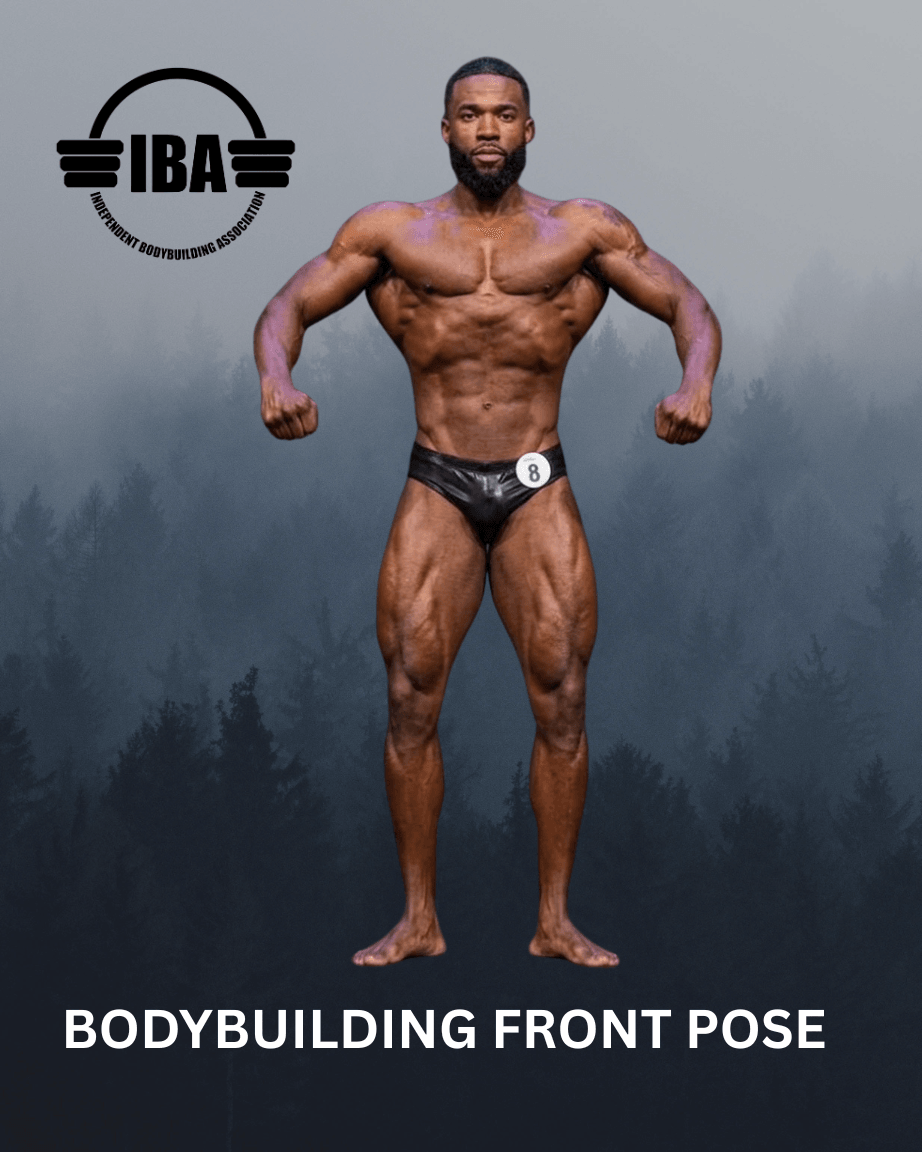
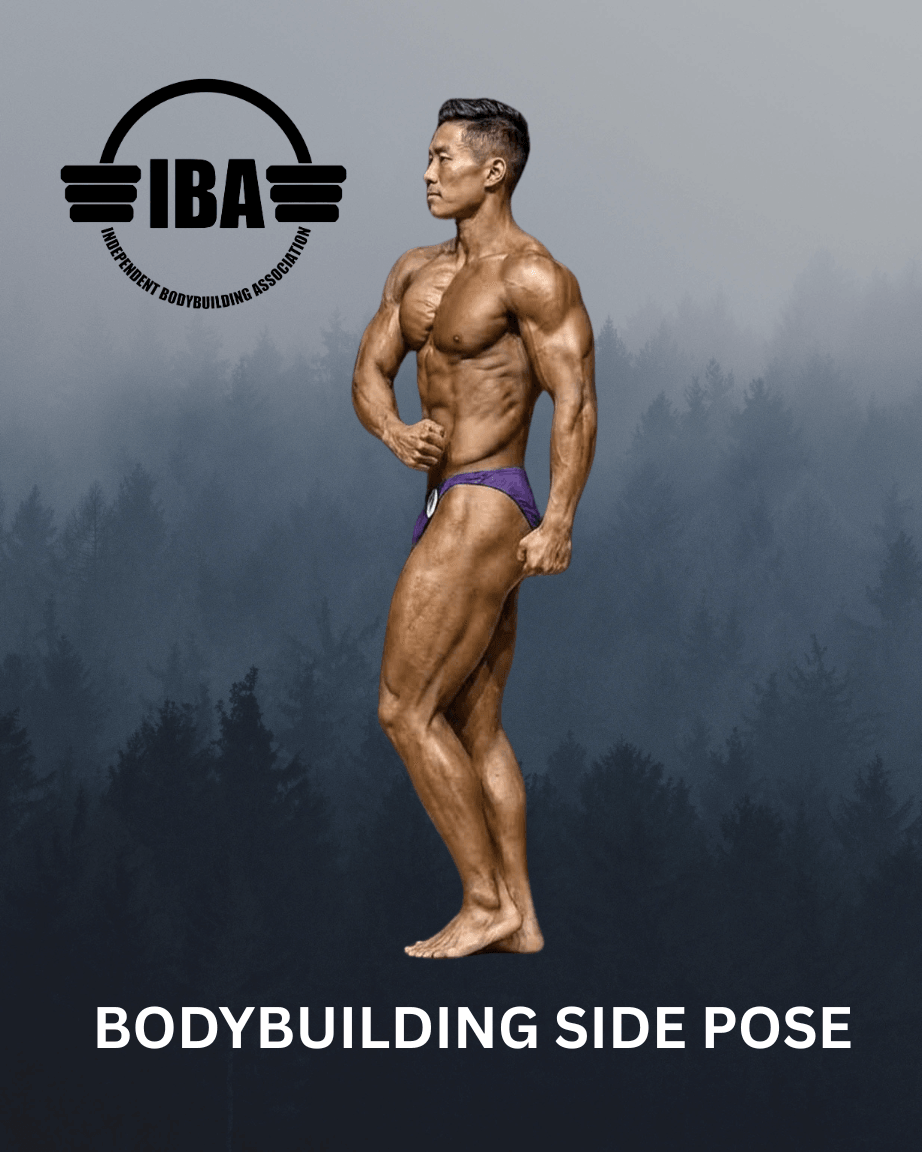
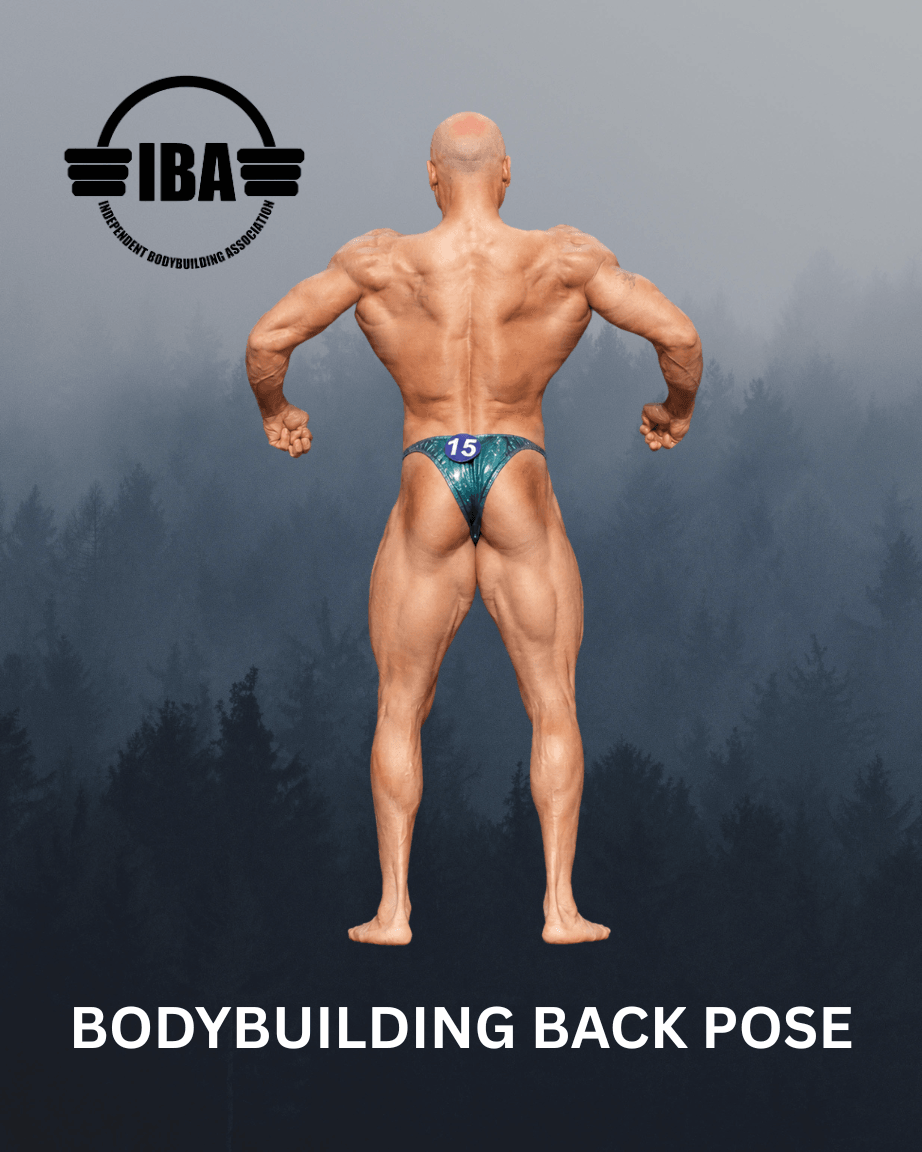
The Head Judge will direct competitors through a series of quarter turns to the right. Athletes will be evaluated from four primary viewpoints:
Front
Right Side
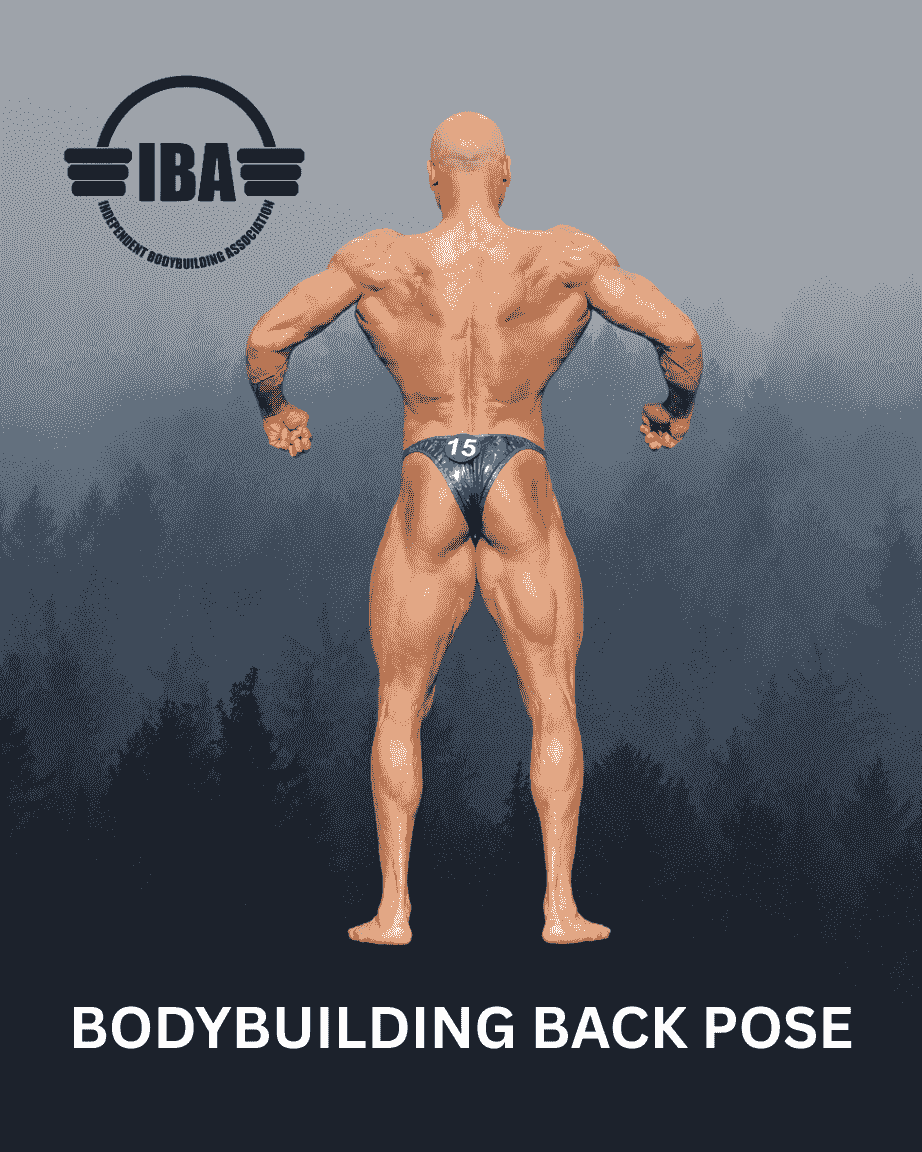
Rear
Left Side
The judging panel will assess each competitor from all angles before proceeding through the lineup.
The Head Judge may also request athletes to exchange positions on stage for comparison purposes. Competitors should acknowledge their number when called, locate the athlete involved in the switch, move respectfully to the designated position, and resume their pose. Stage placement should not be interpreted as an indication of ranking.
Muscularity Round
During comparison rounds, the Head Judge will introduce mandatory muscularity poses in addition to the quarter-turn sequence. Competitors must immediately assume each pose when called and return to the appropriate relaxed stance when instructed.
Mandatory Poses
The following poses may be included during judging, although the order may vary:
Front Double Biceps
Rear Double Biceps
Front Lat Spread
Rear Lat Spread
Right Side Chest
Right Side Triceps
Left Side Chest
Left Side Triceps
Hands-Over-Head Abdominals
Hands-on-Thighs/Hips Most Muscular
Crab Most Muscular
Additional Comparison Poses
Judges may also request one or more of the following poses when further evaluation is needed:
Hamstring Curl
Double Calf Raise
Side Serratus (Left or Right)
Single Quadriceps Pose (Left or Right)
Individual Posing Routine
Each competitor will have the opportunity to perform an individual posing routine set to music. Athletes may select and combine poses in any manner they choose to showcase their physique, presentation skills, and creativity.
There are no mandatory poses required within the routine, allowing competitors the freedom to develop a presentation that best highlights their strengths and stage presence.
Individual routines do not contribute directly to official judging scores. However, they may be considered when determining special awards such as Best Poser, where applicable.
Routine length may vary depending on event guidelines, and promoters reserve the right to establish time limits. Music may be selected by the competitor or provided by the event organizer, depending on event policies.